
Daily Operations Checklist for Laundry Owners: Run Your Business Smoothly
Running a laundry business means juggling multiple tasks every single day. One missed pickup, one billing mistake, or one delayed delivery can cost you a customer. I've seen shop owners lose clients simply because they forgot to call them when their order was ready. The difference between a chaotic day and a smooth one often comes down to having a proper system in place. This checklist will help you manage daily tasks efficiently, reduce errors, and keep customers coming back.
Why You Need a Daily Operations Checklist
Most laundry owners handle everything mentally. They remember which orders need pickup, who owes money, which machine needs servicing. This works fine until it doesn't.
Staff takes leave. You get busy with a bulk order. Someone forgets to note down a customer's special instruction. Suddenly, you're dealing with complaints instead of revenue.
A daily checklist removes guesswork. It ensures nothing falls through the cracks, even on your busiest days. More importantly, it makes your business less dependent on you personally. Your staff can follow the same steps and deliver consistent service.
Think of it as your business operating manual, just simplified into daily actions.
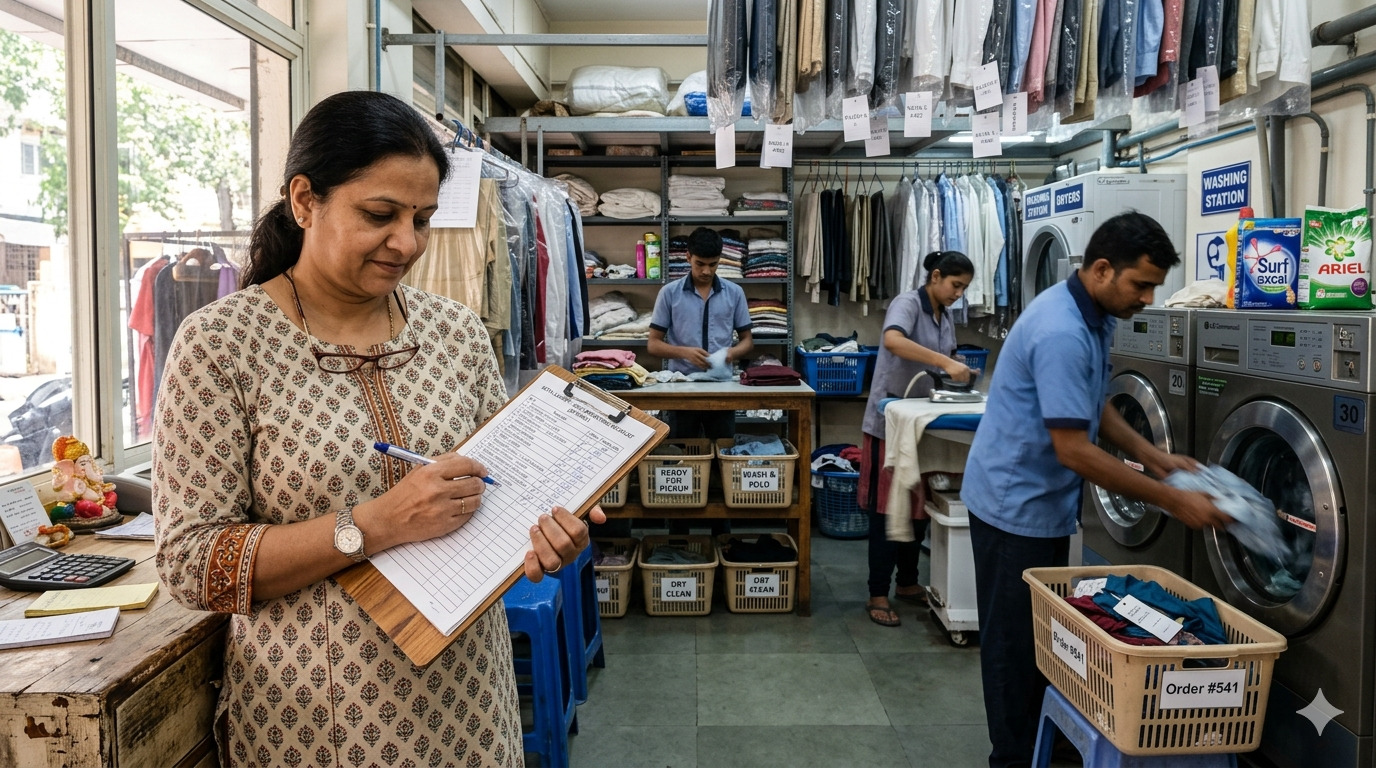
Morning Routine: Start Your Day Right
Check Yesterday's Pending Tasks
Before anything else, review what didn't get completed yesterday. Pending deliveries, incomplete orders, follow-up calls — tackle these first. They're already delayed, so they need immediate attention.
I've noticed that most customer complaints come from forgotten follow-ups. A simple morning review prevents this.
Cash and Billing Reconciliation
Count your cash drawer. Match it with yesterday's closing balance and today's expected opening balance. If there's a mismatch, find out why before the day gets busy.
Check your billing records. Verify that all transactions from yesterday were recorded properly. This takes five minutes but saves hours of confusion later.
Inventory Check
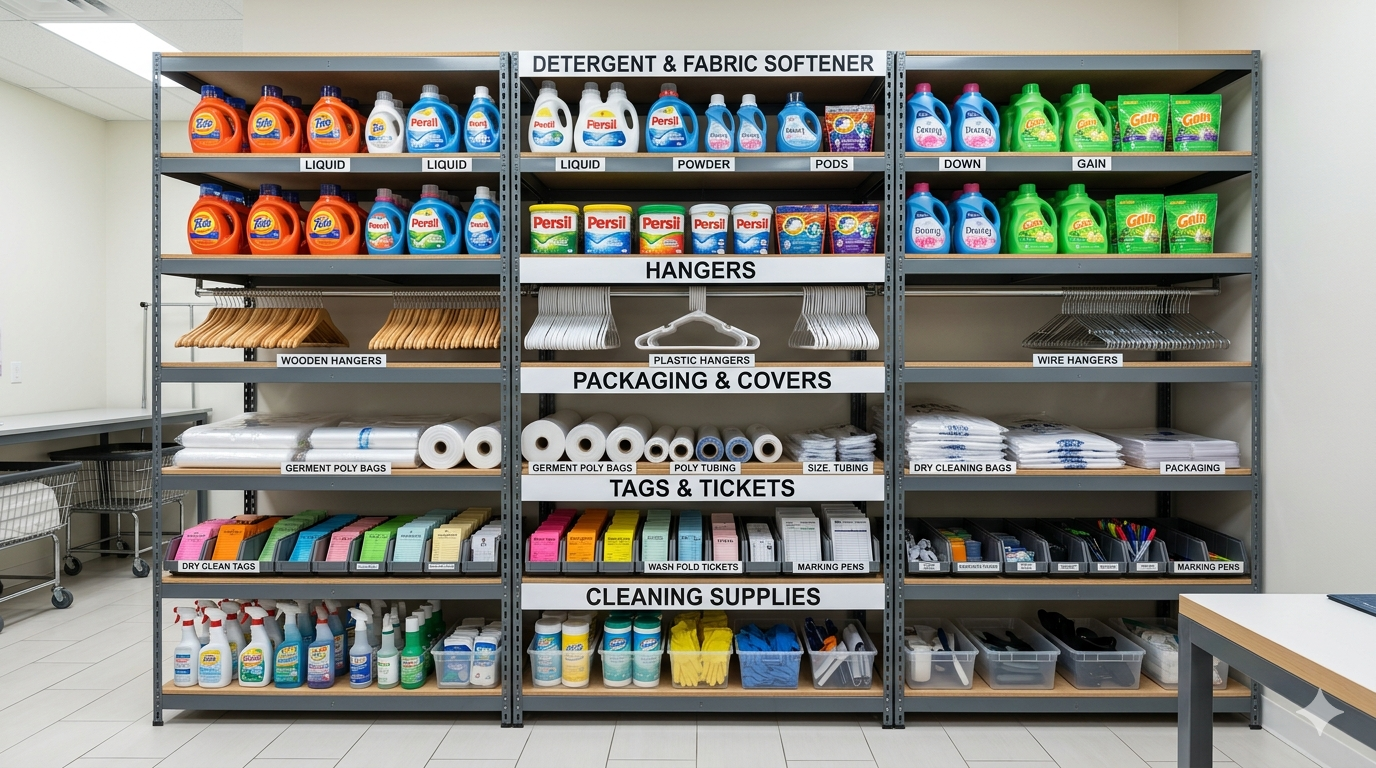
Walk through your supplies. Do you have enough detergent, hangers, plastic covers, staple pins, tags? Running out mid-day disrupts operations and looks unprofessional.
Keep a minimum stock level for each item. When you hit that level, reorder immediately.
Order Management Throughout the Day
Intake Process
Every order needs proper documentation from the moment it arrives. Note down:
- Customer name and contact number
- Number of items and type (shirts, pants, bed sheets)
- Special instructions (starch level, stain removal needs, delicate handling)
- Expected delivery date
- Payment status (paid, partial, pending)
Don't rely on memory. Write everything down or enter it into your system immediately.
Tagging and Sorting
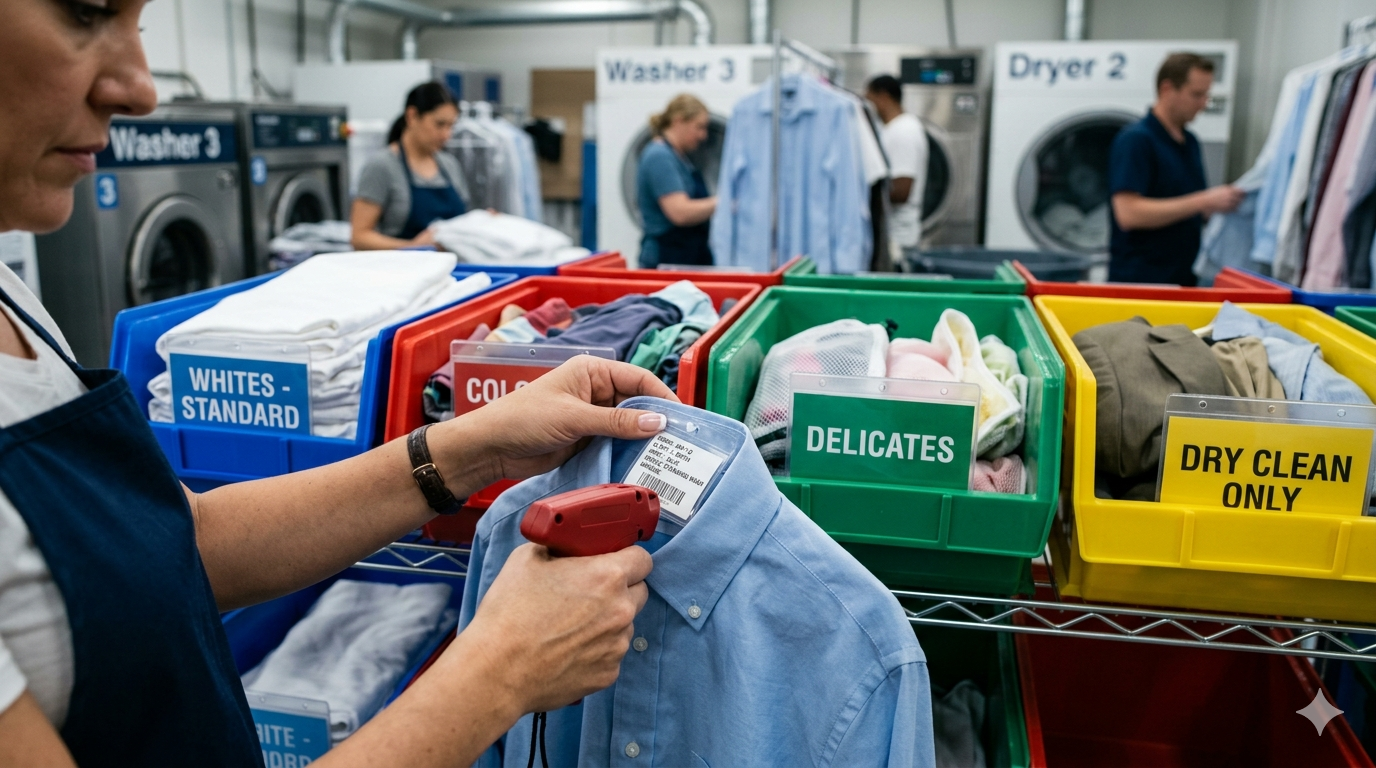
Tag each item with the customer's unique order ID. This prevents mix-ups, especially during peak seasons when you're handling 50+ orders daily.
Sort clothes by washing type: whites, colors, delicates, dry-clean only. This speeds up processing and prevents damage.
Quality Checks Before Delivery
Before packing any order, check for:
- Stains that didn't come out
- Damaged buttons or zippers
- Missing items
- Ironing quality
Catching issues before delivery is always better than dealing with complaints after.
Customer Communication Tasks
Pickup Reminders
Call or message customers when their orders are ready. Don't assume they'll remember or check on their own. A simple "Your order is ready for pickup" message improves customer experience significantly.
Some customers prefer WhatsApp, others want calls. Note their preference and follow it.
Delivery Scheduling
If you offer home delivery, confirm timing with customers beforehand. "We'll deliver between 4-6 PM" works better than showing up unannounced.
Plan your delivery route efficiently. Group deliveries by area to save time and fuel costs.
Handle Complaints Immediately
Got a complaint? Address it the same day if possible. Delayed responses turn small issues into lost customers.
Sometimes the solution is simple — re-wash an item, offer a discount on the next order, or just apologize genuinely. Most customers appreciate quick resolution more than perfection.
Staff Coordination and Task Assignment
Clear task delegation prevents confusion. Each team member should know exactly what they're responsible for.
Assign Specific Roles
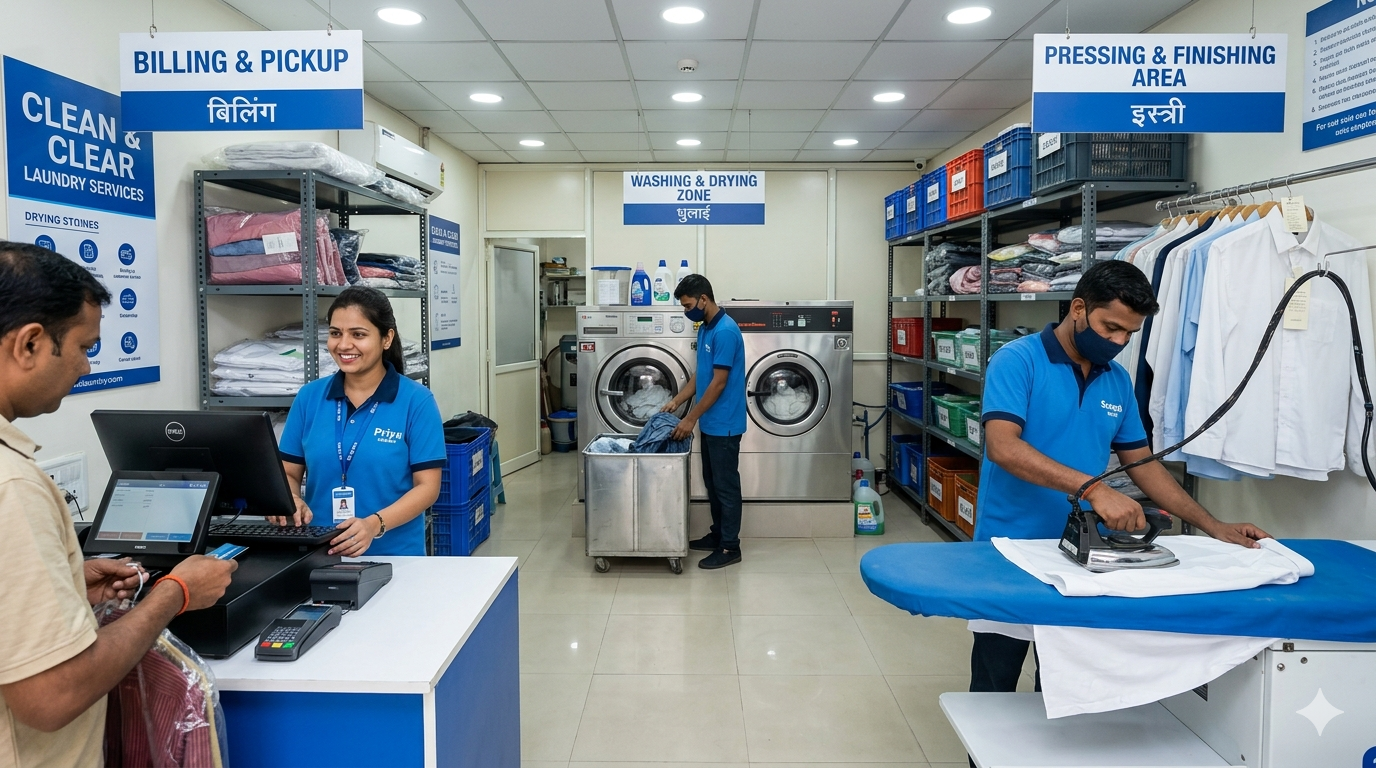
One person handles intake and billing. Another manages washing and drying. Someone else focuses on ironing and packing. This specialization improves speed and quality.
When roles overlap too much, mistakes happen. "I thought you were handling it" situations cost time and money.
Mid-Day Check-Ins
Around lunch time, quickly review progress with your team. Are orders on track? Any machine issues? Anyone struggling with workload?
These five-minute check-ins catch problems early.
Equipment Maintenance Checks
Machines break down at the worst possible times. Regular daily checks reduce emergency repairs.
Inspect Machines Before Starting
Check washing machines for:
- Unusual sounds or vibrations
- Water leakage
- Proper drainage
- Drum condition
Check dryers and irons for heating issues and electrical safety.
Clean After Use
Lint buildup in dryers is a fire hazard. Clean filters after every batch. Wipe down machines to prevent detergent residue buildup.
A clean machine lasts longer and works better.
Log Any Issues
Maintain a simple maintenance log. Note down even minor issues like "drum making slight noise" or "iron taking longer to heat." Small problems become big ones when ignored.
Financial Tracking and Daily Reporting
Record All Transactions
Every rupee coming in or going out needs recording. Cash payments, UPI transfers, expenses for supplies, staff wages — everything.
Many laundry owners skip this during busy days. Then month-end accounting becomes a nightmare.
Track Pending Payments
Some customers pay on delivery. Others prefer credit. Keep a clear record of who owes what and follow up regularly.
Unpaid invoices can quietly drain your cash flow.
Daily Revenue Summary
End each day by calculating:
- Total revenue
- Cash in hand
- Pending payments
- Daily expenses
This gives you a clear picture of business health. You'll spot trends like "Mondays are slow" or "Weekend revenue is 40% higher."
How Laundry POS Software Manages Daily Tasks Efficiently
Manual checklists work, but they have limits. You're still dependent on people remembering things, writing clearly, and not losing papers.
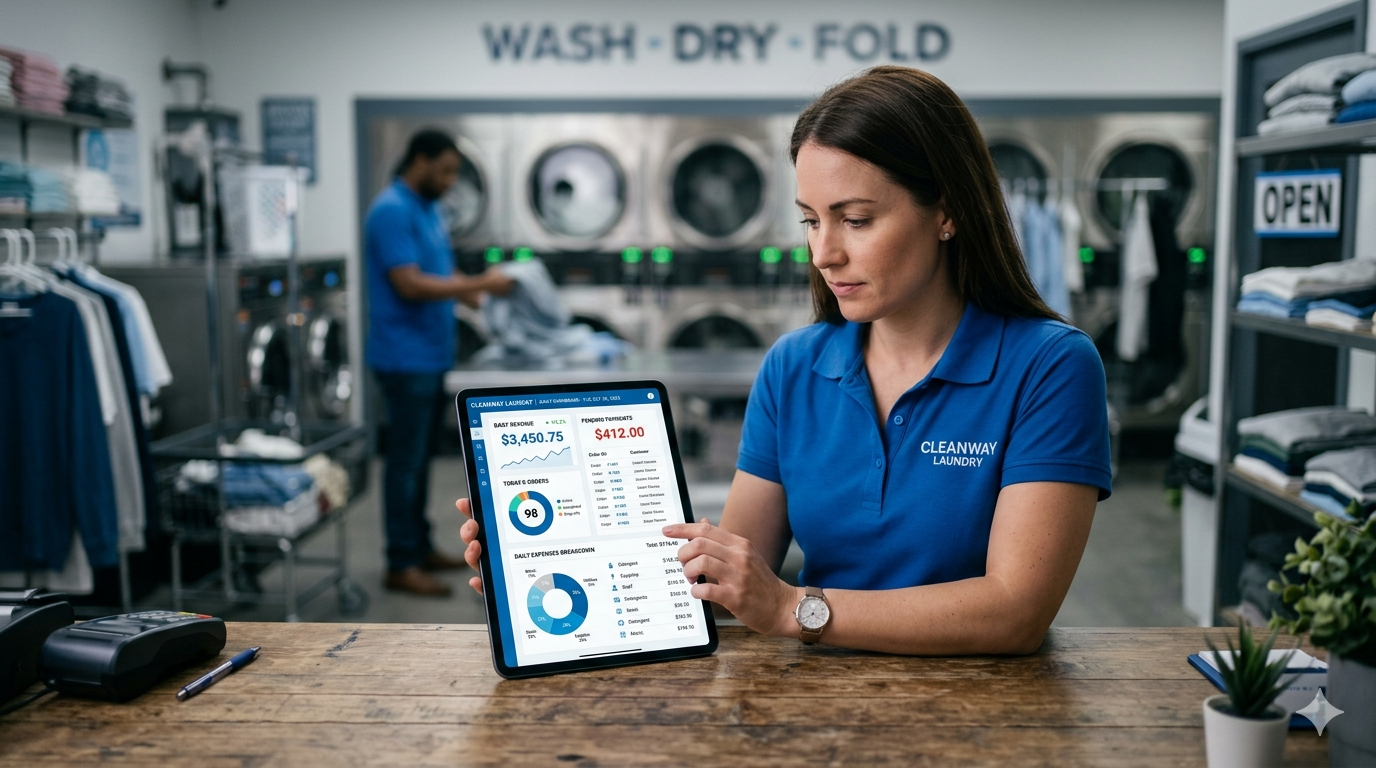
Modern laundry POS software automates most of these daily tasks. When a customer drops off clothes, you scan or enter details once. The system automatically:
- Generates order ID and tags
- Sends pickup reminders via SMS/WhatsApp
- Tracks order status from intake to delivery
- Manages pending payments
- Creates daily sales reports
Staff members can see real-time order status. Your delivery person knows exactly which orders need delivery today without checking with you. Billing is instant with GST compliance built in.
The software doesn't replace your checklist. It executes it automatically. You still need to inspect machines and check quality, but administrative tasks get handled digitally.
For multi-branch operations, this becomes even more valuable. You can monitor all locations from one dashboard without calling each shop repeatedly.
The investment usually pays for itself within a few months through reduced errors and faster processing.
How to Start Your Laundry Business in 2026: Complete Guide
Ezer Laundry POS System
Streamline your laundry business with our comprehensive POS system. Features include smart billing, garment tracking, WhatsApp notifications, and cloud backup.
Closing Procedures: End the Day Properly
Prepare for Tomorrow
Check tomorrow's delivery schedule. Are all orders ready? Do you need to start any early-morning washing batches?
Restock supplies if needed. Clean workstations. Set up machines for the next day.
Secure Cash and Premises
Count the cash drawer again. Match it with your transaction records. Deposit excess cash in the bank regularly — don't keep large amounts in the shop.
Lock doors, turn off machines and lights, activate security systems if you have them.
Quick Team Debrief
Spend five minutes with your staff. What went well today? Any challenges? What needs improvement tomorrow?
This builds team accountability and helps you spot recurring issues.
Common Mistakes to Avoid
Skipping Documentation
"I'll remember this order" rarely works long-term. Write it down or enter it in your system immediately.
Ignoring Small Equipment Issues
That strange noise from the washing machine won't fix itself. Address maintenance issues promptly before they become expensive repairs.
Poor Customer Communication
Customers shouldn't have to call you asking "Is my order ready?" Proactive communication sets you apart from competitors.
Mixing Personal and Business Finances
Use separate accounts for business transactions. This simplifies accounting and helps you understand actual profitability.
Not Delegating Properly
You can't and shouldn't handle everything yourself. Train your staff, trust them with responsibilities, and build systems that work without your constant presence.
FAQs
What time should I start my daily checklist?
Start 30 minutes before opening your shop to customers. This gives you time to handle morning tasks like cash reconciliation and inventory checks without rushing.
How do I handle rush periods when the checklist seems impossible to follow?
Focus on critical tasks: proper order documentation, quality checks, and customer communication. Everything else can wait until things slow down. Have backup staff for predictable busy periods like weekends.
Is manual tracking better than using software?
Manual tracking works for very small operations with limited daily orders. Once you're handling 20+ orders daily or planning to grow, software becomes necessary for accuracy and efficiency.
How often should I update my operations checklist?
Review your checklist monthly. Add tasks that you keep forgetting. Remove steps that no longer apply. Your business evolves, so your checklist should too.
What's the most important task on the daily checklist?
Customer communication. You can recover from most operational mistakes, but poor communication loses customers permanently. Pickup reminders and complaint resolution should never be skipped.
Should every staff member follow the same checklist?
Create role-specific checklists. Your billing person needs different tasks than your washing machine operator. Everyone should know the complete workflow, but daily responsibilities should be clear and specialized.
How do I train new staff on daily operations?
Use your checklist as the training manual. Have them shadow experienced staff for a week while following the checklist. Then let them work independently while you monitor their adherence to the process.
Conclusion
A daily operations checklist transforms your laundry business from reactive chaos to proactive management. You'll spend less time firefighting problems and more time growing your business.
Start with the basics: proper documentation, regular equipment checks, clear staff roles, and consistent customer communication. Build the habit over two weeks. Then refine based on your specific business needs.
Technology like laundry POS software helps, but the foundation is having a systematic approach to daily tasks. Whether you use a paper checklist, a spreadsheet, or dedicated software, the principle remains the same: consistent execution of essential tasks.
Ready to streamline your laundry operations? See how modern laundry management systems can automate your daily checklist and help your business run smoothly even when you're not there.